

The process
Producing organic honey in central Scotland starts with choosing hive sites rich in native forage — heather, clover, and wildflowers — placed where bees are sheltered from prevailing winds and have access to freshwater. Use only organically approved treatments and maintain records for certification. Position hives to follow seasonal nectar flows, and avoid areas treated with pesticides. Respect local land and grazing practices to protect pollinator habitat and ensure floral diversity for balanced honey flavours.
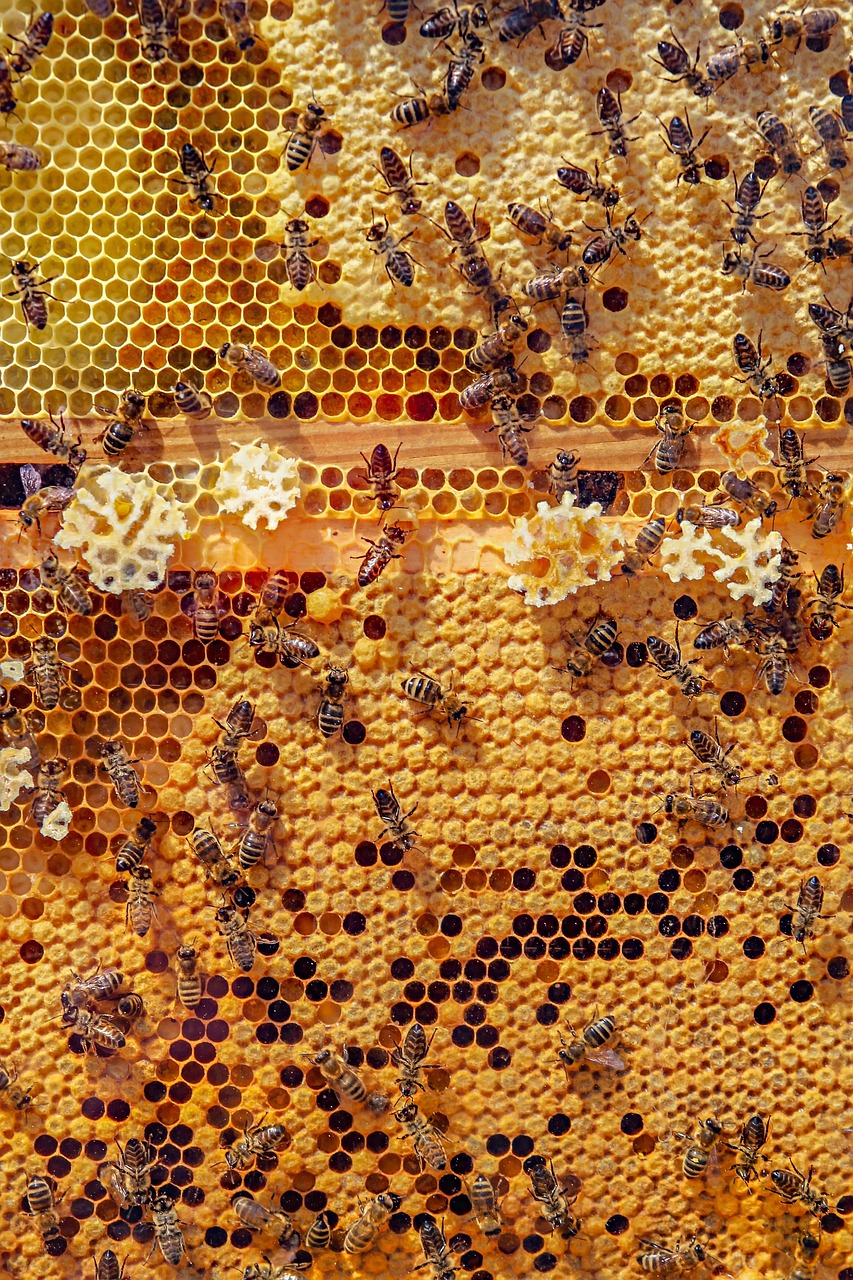
Hive management focuses on prevention and observation: regular inspections, maintaining strong queens, and controlling varroa naturally with cultural methods and organic-approved techniques. Encourage hygienic behaviour through selective breeding and manage space to prevent swarming. Feed only certified organic supplements when necessary, and keep detailed logs of inputs and interventions for traceability. Work with neighbouring landowners to minimise chemical exposure and to sustain a continuous, organic forage landscape around the apiary.
Timing is vital: build colony strength in spring, monitor summer nectar flows, and plan harvests to allow colonies enough stores for overwintering. Heather can produce intensely flavoured late-summer honey, so stagger extraction to preserve seasonal varieties. Use gentle, low-heat extraction and settling to retain natural enzymes and flavour. Avoid heating beyond what is necessary; do not blend with non-organic honey to keep origin integrity.
Finally, process and label with transparency: settle and filter only to remove debris while preserving pollen and flavour, store in clean, food-grade containers, and label with harvest location and season. Maintain organic certification paperwork and promote environmental stewardship by planting wildflower margins, avoiding monocultures, and supporting biodiversity. Small-scale, careful practices produce distinctive, high-quality organic honey that reflects central Scotland’s unique landscapes.
Not only honeycombs
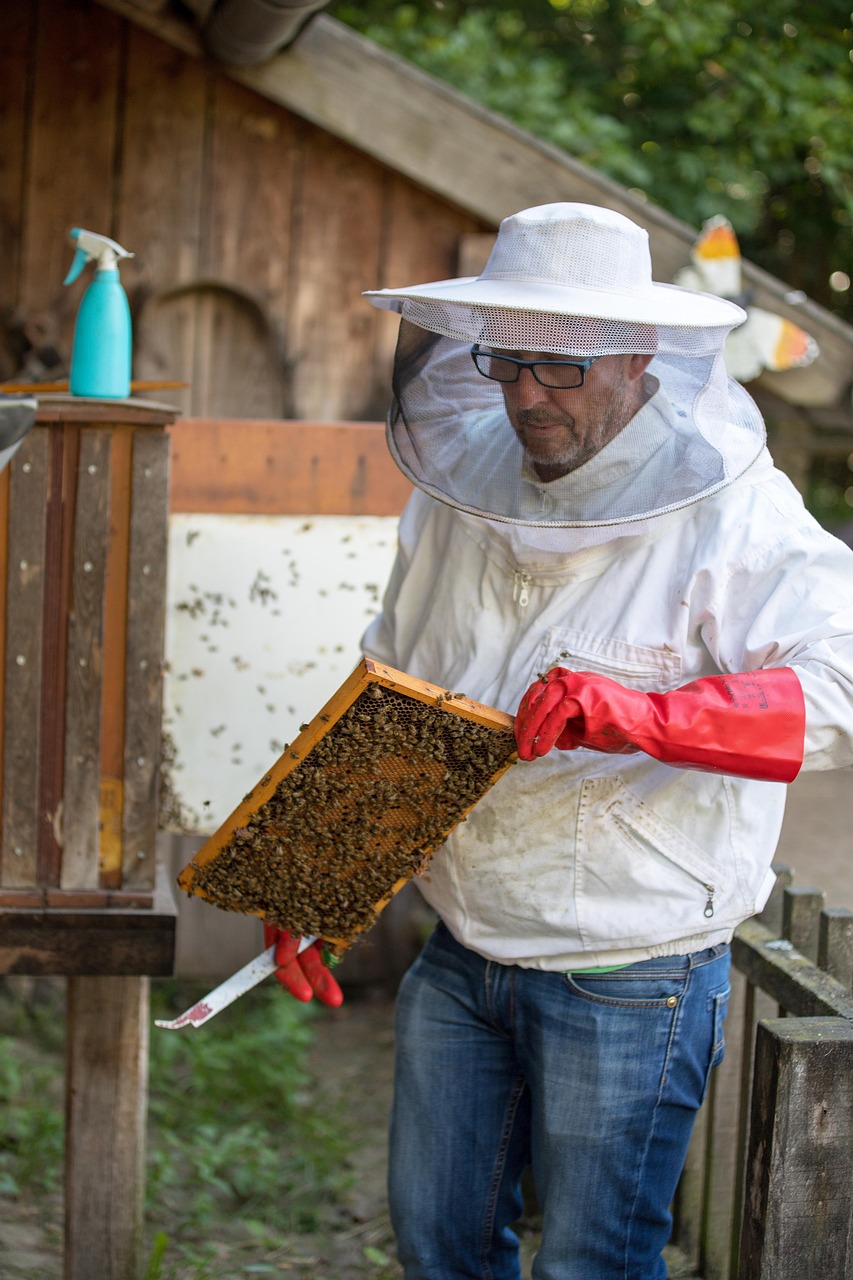
Beekeeping is as much about people as it is about bees. Our team’s seasonal knowledge, careful observation, and hands-on decisions shape every jar. We monitor hive behaviour daily, make judgement calls on space and feeding, and time inspections to reduce stress on colonies. Skilled beekeepers interpret subtle signs — brood patterns, foraging intensity, and weather impacts — and adapt practices to protect both bees and the surrounding environment. That human attention preserves hive health and the distinct character of each harvest.
Beyond practical care, the human factor includes stewardship and community: building trust with landowners, teaching apprentices traditional and organic methods, and making ethical choices about harvest and landscape management. Sensory tasting, documentation and transparent labelling connect consumers to the hands that tended the bees. These human practices — patience, experience, and a commitment to biodiversity — turn seasonal nectar into a responsibly produced honey that reflects people and place together.